
Coffee lovers and industry insiders know that great coffee isn’t just about how much is produced – it’s also about how it tastes. The world’s top coffee-producing nations combine massive production volumes with distinct flavor profiles shaped by their unique climates, altitudes, and processing traditions. These countries lie in the equatorial “Bean Belt” and include the likes of Brazil, Vietnam, Colombia, and Ethiopia, which together account for over half of the world’s coffee supply usetorg.com. Below, we explore the top 10 coffee-producing countries – highlighting their recent production figures, main bean varieties, signature flavor characteristics, key growing regions (think Ethiopia’s Yirgacheffe or Colombia’s Huila), and even processing methods that make their coffees among the best coffee origins globally.
Major coffee-producing regions of the world span the equatorial “Bean Belt.” Circle sizes on the map indicate each country’s relative annual coffee production volume (data circa 2019).
1. Brazil – The Coffee Giant of Quantity and Quality
Coffee plantation in Minas Gerais, Brazil – the world’s largest coffee producer. Brazil has been the undisputed leader in coffee production for over a century, contributing roughly one-third of the world’s coffee usetorg.com. In 2023, Brazil grew around 3.4 million tonnes of green coffee (over 60 million bags), far more than any other nation en.wikipedia.orgespressocoffeeguide.com. This volume is possible thanks to vast plantations in Minas Gerais, São Paulo, and Paraná – regions with ideal climates (warm weather, moderate rain, and rich soils) for coffee farming usetorg.com. Brazil cultivates mostly Arabica beans (about 69% of production) with the remainder being Robusta (locally called Conilon) elevencoffees.comelevencoffees.com.
Brazilian coffees are typically mild and low in acidity, with a medium body and notes of nuts and chocolate usetorg.comespressocoffeeguide.com. This mellow flavor profile stems in part from Brazil’s lower average growing elevations (many farms at 800–1,200 m) and the prevalent natural (dry) processing method, where coffee cherries are sun-dried whole. The dry-process gives Brazilian beans a characteristic sweet, nutty flavor with bittersweet chocolaty undertones espressocoffeeguide.com and a heavier body. These qualities make Brazil’s coffee an excellent base for espresso blends – Brazilian Bourbon Santos or Cerrado coffees can take a dark roast well without becoming overly bitter espressocoffeeguide.comespressocoffeeguide.com. Major growing areas like Sul de Minas, Cerrado Mineiro, Mogiana and Espirito Santo each contribute subtly different cup profiles, but overall Brazil offers consistency and volume. It’s no surprise that the country’s sheer output and reliably pleasant flavor profile cement its place at the top of any list of top coffee countries by flavor and volume.

2. Vietnam – Robusta Powerhouse with a Growing Arabica Scene
Vietnam is the second-largest coffee producer in the world, famed for its robusta beans. The country produces close to 30 million bags of coffee per year usetorg.com, which is about 1.8–2 million tonnes – roughly 15–20% of global production en.wikipedia.org. Over 95% of Vietnamese coffee is Coffea canephora (robusta) elevencoffees.com, making Vietnam the leading source of robusta globally. These beans thrive in Vietnam’s Central Highlands, where provinces like Đắk Lắk (around Buôn Ma Thuột), Lâm Đồng (home to Da Lat), and Gia Lai provide rich basalt soil, warm temperatures, and altitudes mostly between 500–1,200 m worldpopulationreview.com. While arabica is a smaller share (grown in some higher-altitude areas of Lâm Đồng and the northern mountains), Vietnam’s identity is tied to robusta.
In the cup, Vietnamese robusta is known for its bold, full-bodied character with high caffeine content and a more earthy, bittersweet taste compared to arabica. This makes it ideal for instant coffees and strong espresso blends worldpopulationreview.com. In fact, Vietnam’s beans often end up in instant coffee jars worldwide or as the bite in Italian-style espresso. Despite robusta’s harsher reputation, Vietnamese coffee culture has crafted unique delights like cà phê sữa đá – iced robusta coffee sweetened with condensed milk. Processing in Vietnam is typically washed (wet) process even for robusta, which can help clean up the cup’s profile somewhat worldpopulationreview.com. As Vietnam’s industry matures, there’s growing interest in quality arabica from areas like Da Lat, but it’s the robusta punch that put Vietnam on the map as a top coffee-producing nation.
3. Colombia – High-Quality Arabica from the Andes
Colombia is often synonymous with high-quality Arabica coffee and is the world’s third-largest coffee producer. It contributes roughly 8–10% of global coffee output (about 13–14 million bags annually) tradeimex.inen.wikipedia.org. Uniquely, 100% of Colombia’s commercial coffee is Arabica elevencoffees.com – the country has built its brand on exclusively arabica beans, prized for their flavor. Colombia’s success owes to its optimal growing conditions: the Andean mountain range provides high elevations (1,200–2,000+ m), volcanic soils, abundant rainfall, and a mild climate, all of which are perfect for arabica. Key coffee regions span the country’s west and center – from Antioquia and Caldas in the north, through Tolima and Cundinamarca in the center, down to Huila and Nariño in the south elevencoffees.com. Each of these departments produces renowned single origins (for example, Huila is celebrated for its bright fruity notes, while Antioquia often yields nutty, chocolatey cups).

In general, Colombian coffee is known for its medium body, bright acidity, and balanced flavor profile worldpopulationreview.com. A typical Colombian brew offers a pleasing sweetness with notes of caramel or chocolate, citrusy or red fruit highlights, and a clean finish. This smooth, aromatic character has made Colombian Supremo beans a staple for coffee connoisseurs. Many farms are smallholder operations, and there’s a strong tradition of careful wet processing (fully washed arabica), which contributes to the clean and consistent quality. The country’s National Coffee Federation has also played a role in maintaining quality standards and marketing the iconic Juan Valdez image. From the lush hills of Quindío to the slopes of Sierra Nevada, Colombia’s varied microclimates produce some of the world’s best coffee origins, consistently delivering a crowd-pleasing cup described as the quintessential “coffee flavor” – rich, smooth, and just exotic enough worldpopulationreview.com.
4. Indonesia – Earthy Island Coffees with Unique Processing
Indonesia ranks among the top coffee producers (#4 globally by recent volume), thanks to its large archipelago of coffee-growing islands. The country grows both robusta and arabica beans – with robusta accounting for roughly 90% of output and arabica around 10% elevencoffees.comelevencoffees.com – and produces about 750,000–800,000 tonnes of coffee per year en.wikipedia.org. Coffee is cultivated across several islands; Sumatra, Java, Sulawesi, Bali, Flores, and Papua (New Guinea) are all notable regions elevencoffees.com. Indonesia’s equatorial climate and volcanic soils are excellent for coffee, but what truly sets its beans apart is a traditional processing method called “wet-hulling” (Giling Basah in Indonesian). Used especially in Sumatra, this method involves hulling the parchment off beans at a higher moisture level than in standard washed processing, and drying them in stages.
The result of wet-hulling is a signature flavor profile that makes Sumatran coffees famous (or infamous)! These coffees are full-bodied with very low acidity, and they often feature rustic, earthy, and spicy notes usetorg.comdriftaway.coffee. A classic Sumatra Mandheling or Aceh Gayo coffee might taste herbal, woody, or like fresh earth, sometimes with hints of moss, tobacco, or dark chocolate driftaway.coffee. While not as bright or fruity as other origins, Indonesian coffees have a brooding depth that many coffee drinkers adore. On Java, where wet-hulling is less common, arabica coffees (from old Dutch estates) tend to be cleaner and sweeter, with a medium body and smooth profile. And from Sulawesi (Celebes), particularly the Toraja region, come complex coffees often noted for cedary spice and syrupy body. Indonesia even produces the world’s most exotic (and expensive) coffee curiosity: Kopi Luwak, beans collected from civet cat droppings – though its novelty often overshadows its cup quality. Overall, Indonesia’s diverse islands produce “full-bodied and earthy” coffees usetorg.com that have carved out a loyal following in the specialty market.
5. Ethiopia – Birthplace of Coffee with Floral, Fruity Flavors
Often hailed as the birthplace of Coffea arabica, Ethiopia offers a dazzling array of coffee flavors and is the largest producer in Africa (typically #5 globally). It produces around 450,000–550,000 tonnes of coffee per year qahwaworld.comen.wikipedia.org – all of it Arabica, since the species originates from Ethiopia’s highlands elevencoffees.comelevencoffees.com. What makes Ethiopian coffee so special to enthusiasts is its genetic diversity: hundreds of local heirloom varieties are grown, many wild or naturally occurring, leading to extraordinary and unique taste profiles. Key growing regions include Sidama (Sidamo) in the south, Yirgacheffe (a small area within Sidama), Harrar in the east, Limu and Jimma in the west, and Guji and Gedeo zones, among others elevencoffees.com. These regions sit at high altitudes (1,500–2,200+ m) and use both washed and natural processing, each bringing out different expressions of the beans.
Ethiopian coffees are treasured for their complex, vibrant flavors. In the south (Sidama/Yirgacheffe), many coffees are washed, yielding a tea-like clarity with floral aromatics (jasmine, bergamot) and citrus or stone-fruit notes. A top-grade Yirgacheffe coffee, for example, is famous for its delicate lemon and floral sweetness, often with a silky body. Naturally processed Ethiopian coffees, common in regions like Harrar or parts of Sidama, are fruit bombs – expect jammy blueberry or strawberry flavors, wine-like acidity, and a wild, fermented sweetness. Overall, Ethiopian beans tend to have bright acidity and intense aromatics worldpopulationreview.comusetorg.com, from fruity and floral to spicy or chocolatey depending on the locale. Coffee is more than a crop in Ethiopia; it’s woven into the culture (the traditional Ethiopian coffee ceremony is a testament to this deep connection worldpopulationreview.com). For coffee lovers, Ethiopia offers an unparalleled journey of the senses – truly some of the best coffee origins can be found here, in the very land where coffee was first discovered.
6. Honduras – High-Altitude Champion of Central America
Honduras has emerged in recent years as a Central American coffee powerhouse, now often ranking around #6 globally in production. It outputs roughly 350,000–400,000 tonnes of coffee annually qahwaworld.comen.wikipedia.org, having surpassed Guatemala as the region’s top producer. All Honduran coffee is Arabica, and it thrives in the country’s mountainous terrain. One of Honduras’s secret weapons is its high elevations – many farms sit well above 1,200 m, and some peaks reach 3,000+ feet (900 m) higher than the minimum altitude needed for quality coffee cultivationworldpopulationreview.com. These high-altitude conditions (up to ~1,600–1,800 m in regions like Montecilos or Santa Bárbara) lead to slower bean development and enhanced flavor complexity. Major growing areas are spread across six regions: for example, Copán in the west, Montecillos (including Marcala) in the south, Opalaca and Comayagua in the central mountains, El Paraíso in the east, and Agalta in the southeast espressocoffeeguide.comelevencoffees.com. Historically, Honduran coffee was used primarily in blends, considered reliable but unremarkable. However, investments in processing and infrastructure have improved consistency, and Honduras now produces some stellar specialty lots.
In the cup, Honduran coffees are generally well-balanced and approachable. They often have a medium body with sweet, mild flavors – notes of caramel, honey, or milk chocolate are common, sometimes with a hint of nuts or gentle fruitiness espressocoffeeguide.com. The acidity is typically soft to moderate, not as bright as a Guatemalan or Kenyan, but enough to provide liveliness espressocoffeeguide.com. Top-grade Honduran beans (especially the Strictly High Grown lots from 1,350 m and up espressocoffeeguide.com) can surprise you with delicate floral or fruity nuances – for instance, coffees from Opalaca may show grape and berry notes with fine acidity, while those from Copán are known for a chocolatey profile and balanced bodyespressocoffeeguide.com. Washed processing is the norm, yielding clean and sweet cups. As Honduras continues to focus on quality (including many farms going organic or Rainforest Alliance certified), it has truly become “Central America’s new star” in coffee usetorg.com – offering volume and improving flavor, and well worth exploring for those seeking a solid, sweet cup.
7. India – Shade-Grown Spiced Coffee and Monsooned Marvels
India might not be the first origin that comes to mind for casual coffee drinkers, but it is a significant producer (usually among the top 7–8 globally) and has a fascinating coffee culture. India grows both Arabica and Robusta – roughly 27% arabica and 73% robusta by volume elevencoffees.com – with an annual production around 300,000+ tonnes elevencoffees.comen.wikipedia.org. Most Indian coffee comes from the lush hills of its southern states: Karnataka accounts for the lion’s share (estates in Chikkamagaluru, Kodagu/Coorg, and Bababudangiri – where coffee was first planted in India in the 17th century), followed by Kerala (Wayanad, Idukki) and Tamil Nadu (Nilgiris, Yercaud) elevencoffees.comelevencoffees.com. What’s unique is that Indian coffee is often shade-grown under a canopy of trees and intercropped with spices like cardamom, pepper, and cinnamon usetorg.com. This traditional agroforestry approach not only protects the environment but can impart subtle spicy hints to the beans.
In terms of flavor, Indian arabica (sometimes marketed as “Mysore Coffee”) is typically low in acidity, full-bodied, and smooth, often with notes of chocolate, nuts, and gentle spice. There’s a certain earthiness and richness that makes it a favorite for espresso blending, as it adds depth without overwhelming acidity. Robusta from India is considered among the better robustas in the world – kaapi royale is a sought-after Indian robusta grade, valued for its clean, less harsh taste which often carries chocolate and peanut tones. One of India’s most famed coffee processes is Monsooning: beans (usually arabica from the Malabar Coast of Kerala/Karnataka) are exposed to monsoon winds and moisture in open warehouses for weeks, causing them to swell, turn pale, and develop a unique flavor. The result, Monsooned Malabar coffee, is one-of-a-kind – very low in acidity, with a heavy body, syrupy smoothness, and notes of wood, spice, and nutsoneillcoffee.com. Monsooned coffees have an almost aged, mellow character with a distinct musty, sweet tobacco undertone that certain roasters love for specific blends. Overall, whether in its classic shade-grown form or the unusual monsooned style, Indian coffee offers something different: a cup that’s smooth, robust, and often intriguingly spicyusetorg.comoneillcoffee.com, reflecting the terroir of the Western Ghats.
8. Uganda – Robusta Ancestry and Emerging Arabicas
Uganda is Africa’s second-largest coffee producer (after Ethiopia), typically appearing in the top 8 globally by volume. It’s known as the birthplace of Robusta coffee – Coffea canephora grows wild around Uganda’s Lake Victoria basin. The country’s production is around 250,000–300,000 tonnes of coffee per yearen.wikipedia.org, and the majority (about 80–85%) is Robustaelevencoffees.com. Uganda’s robusta thrives in the lowland tropics; it’s often naturally grown in forest-like conditions (small farms interspersed with banana trees and other shade) in regions like Central Uganda and the shores of Lake Victoriausetorg.com. These robusta beans are a mainstay in many commercial coffee blends and instant coffees, prized for their high yield and strong character. However, Uganda also produces high-quality Arabica from its mountainous areas – notably the Mount Elgon region in the east (Bugisu coffee from the slopes near Sipi Falls) and the Rwenzori Mountains in the westworldpopulationreview.com. There, at altitudes of 1,300–2,300 m, arabica cherries benefit from cooler temperatures and volcanic soils.
Ugandan robusta cups are typically full-bodied and very bold, with a deep, earthy flavor. They can have a smoky or woody edge and often hints of dark chocolate or nutty spice, especially when carefully processedworldpopulationreview.com. Good Ugandan robusta is considered among the best of its kind – used to add crema and intensity to espresso blends. Meanwhile, Ugandan arabicas (often of Bourbon and Typica lineages introduced from Kenya or Ethiopia) have been gaining attention. A washed Bugisu arabica can present a rich yet clean profile, with sweet chocolate notes, a mild fruitiness (think plum or raisins), and medium brightness. Some cups also exhibit a touch of spice (like cinnamon or clove) or winey fruits, reminiscent of neighboring Kenyan or Rwandan coffees but generally softer in acidity. Overall, Uganda’s coffees are valued for their “rich, earthy” character with chocolatey hintsworldpopulationreview.com, and the country is investing in quality improvements to showcase more of its arabica potential. For now, Uganda firmly remains a “Robusta stronghold”usetorg.com, supplying a significant chunk of the world’s robusta, while its arabica sector quietly expands.
9. Peru – Andes-Grown Arabica with a Bright, Clean Cup
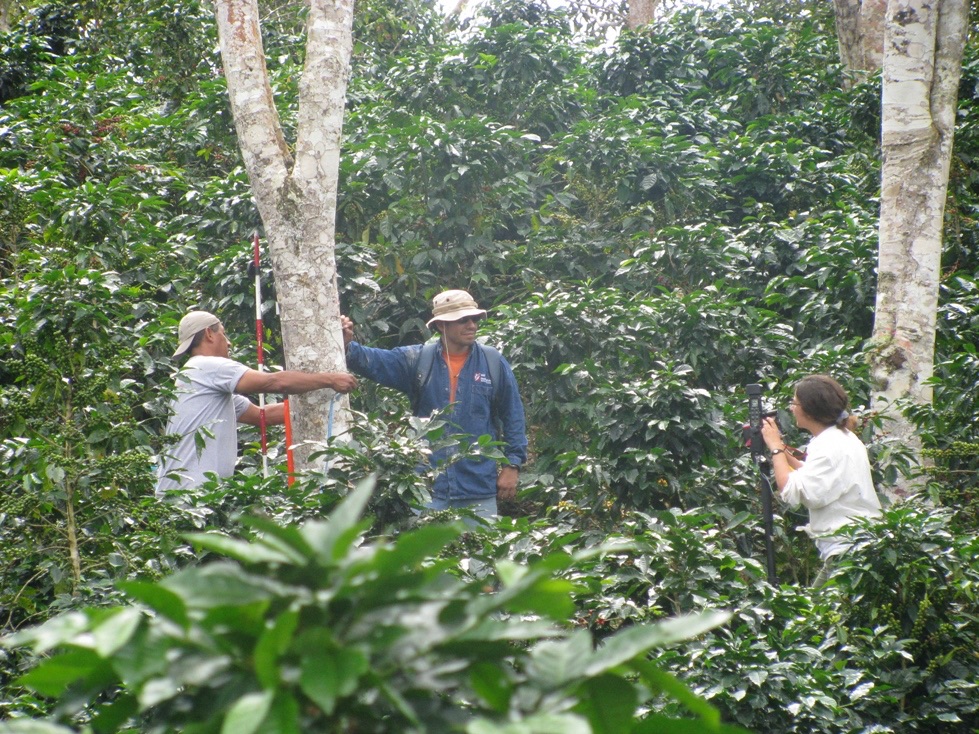 A Peruvian coffee farm
Peru may fly under the radar, but it is a rising star among coffee-producing nations – often around #8–#9 in world output. It produces approximately 270,000–370,000 tonnes of coffee annuallyqahwaworld.comen.wikipedia.org, virtually all of which is Arabica. Coffee in Peru is grown throughout the Andean foothills, from the northern regions bordering Ecuador (e.g., Cajamarca and Piura), through central zones (Junín which includes Chanchamayo, and Pasco), to the southern areas near Bolivia (Cuzco and Puno)elevencoffees.comelevencoffees.com. Many Peruvian farms are small and at high elevations (1,200–1,800 m is common, with some areas like the Sandia Valley in Puno exceeding 1,800 m). Peru has embraced organic and shade-grown farming in a big way – it’s one of the world’s top exporters of organic coffee, thanks to cooperatives that focus on sustainability.
In the cup, Peruvian coffee is often described as mild and balanced, but the best lots exhibit a delightful brightness and clarity. A good Peru Arabica (especially from high-altitude areas in Cajamarca or Cusco) tends to have a bright, lively acidity and a medium bodyusetorg.com. Flavor notes can include gentle citrus or red fruit tones, floral hints, and a sweet nuttiness (like almond or hazelnut). There’s often a clean sugar-brown sweetness (think toffee or panela) and a crisp finish. These attributes – clean, sweet, and mild with a touch of sparkle – have made Peruvian coffees a favorite for specialty drinkers who enjoy a subtler profile. They are similar to some Colombian or Central American coffees but usually a bit lighter in body and more tea-like. Washed processing is standard, ensuring low defects and consistency. While Peru doesn’t yet have the same name recognition as, say, Ethiopia or Colombia, it quietly produces some excellent coffees. In recent years, micro-lots from regions like San Martín or Oxapampa have won awards for their complexity (occasionally showcasing jasmine florals or juicy berry notes). But generally, Peru offers a crowd-pleasing “bright and fruity” cupusetorg.com that’s easy to enjoy, often at a good value – a testament to why this coffee-producing nation is one to watch.
10. Mexico – Mild Altitude Coffees and Organic Emphasis
Mexico rounds out our top 10, historically being one of the largest producers in North America. In recent data it produces around 200,000–250,000 tonnes of coffee yearly en.wikipedia.org, putting it near tenth globally. About 96% of Mexican coffee is Arabica (with a small 4% Robusta mostly in lowland areas) elevencoffees.com. The main growing regions stretch across the southern half of the country, in the highlands along the Sierra Madre. Notable states for coffee include Chiapas in the far south (bordering Guatemala), Veracruz and Oaxaca along the Gulf and Pacific coasts, and Puebla. Chiapas, with its mountain ranges like the Sierra Madre de Chiapas and elevations up to 1,500–1,800 m, produces the largest volumes (and is known for coffees similar to Guatemalan Huehuetenango across the border). Oaxaca’s Pluma region (around 1,200–1,500 m) is famous for its ancestral Typica coffees, and Veracruz (lower slopes of ~1,000 m) has long grown coffee dating back to the 18th century. Mexico also stands out as a leading exporter of organic coffee, with many smallholder farmers, especially in Chiapas and Oaxaca, cultivating under organic and shade conditions.

Mexican coffees are typically mild, smooth, and gentle in flavor. They tend to be light to medium bodied with a subtle acidity – not as bright as other Central Americans, but enough to keep the cup lively. Common flavor descriptors include sweet notes of chocolate and toffee, a touch of nuttiness (like almond), and occasionally soft hints of citrus or apple. A good high-grown Chiapas coffee often has a clean sweetness and delicate balance that makes it an excellent base for blends or a straightforward single-origin for those who prefer less intensity. Oaxaca’s Pluma coffees have been described as silky with low acidity and cocoa-like flavors usetorg.com. Overall, there’s a certain “easy-drinking” quality to Mexican coffee – nothing too edgy, just a comforting classic profile. Washed processing dominates, which contributes to the clean and mellow cup. In recent times, some farmers have experimented with honey and natural processes to add complexity, and regions like Chiapas are gaining more recognition for quality (some lots showing caramel sweetness and orange blossom aromas). Additionally, Mexico’s focus on organic, sustainable farming resonates with health-conscious consumers, and the country has leveraged that by ensuring a steady supply of organic-friendly, mild Arabica to markets in the U.S. and Europe usetorg.com. For those who enjoy a smooth, chocolatey coffee with low acidity, Mexico’s highland beans are an excellent choice and a fitting finale to our top 10 list.
Conclusion
From the nutty chocolate sweetness of Brazilian beans to the floral-fruity perfume of Ethiopian heirlooms, these ten coffee-producing nations offer a world of flavors within your cup. They are not only the highest-volume coffee producers – ensuring we stay caffeinated – but also the sources of many beloved coffee profiles that enthusiasts seek out by origin name. Each country’s unique combination of variety (Arabica vs Robusta), elevation, soil, and processing traditions yields distinctive characteristics: Indonesia’s earthy depth, Colombia’s balanced brightness, Vietnam’s robusta bite, or Kenya’s (not a top-10 volume producer but worth a mention) vivid acidity – all contribute to the rich tapestry of global coffee.
For the coffee lover, understanding these origins is like having a map to the best coffee origins on Earth. Whether you’re sipping a single-origin Yirgacheffe with its tea-like floral notes or enjoying a blend powered by Brazilian and Vietnamese beans, you’re experiencing the terroir and expertise of these top coffee nations. As trends move toward sustainability and quality, many of these countries are investing in farmers’ livelihoods and experimental processing (from Uganda’s growing arabica sector to Peru’s organic lots), promising even more exciting flavors ahead. In summary, the top coffee-producing countries not only fuel the world’s caffeine habit by volume, but also elevate it by offering an incredible range of taste experiences. So next time you brew your coffee, take a moment to appreciate its journey from a distant origin – be it the misty highlands of Central America or the sun-drenched fields of Africa – and enjoy the unique flavors born of that landworldpopulationreview.comusetorg.com. Happy tasting!
Sources: The production figures and regional details are based on the latest data from FAO and industry reportsen.wikipedia.orgqahwaworld.com. Flavor and profile descriptions reference established coffee guides and reviewsespressocoffeeguide.comdriftaway.coffee, as well as insights from World Coffee Research and specialty coffee organizations. Each country’s section above cites specific sources for verification of key facts and flavor notes. Enjoy exploring these references to learn even more about what makes each of these coffee-producing nations so special in the cup.