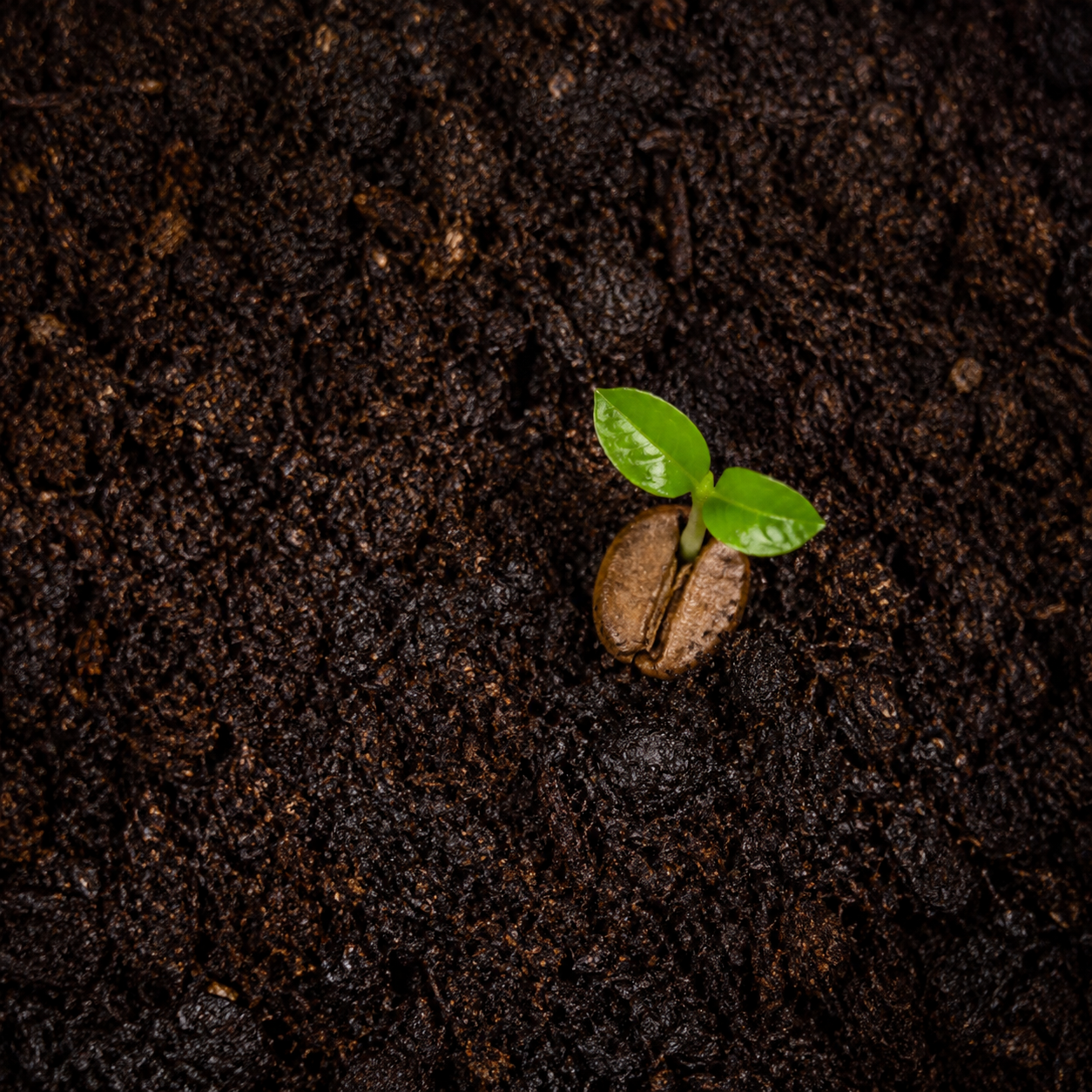
July 20, 2026/
No Comments
Biodegradable has no timeline and no test. Compostable is a certified standard. Here is the plain English difference, and what to look for on a coffee...
Biodegradable has no timeline and no test. Compostable is a certified standard. Here is the plain English difference, and what to look for on a coffee...

If you sealed freshly roasted, freshly ground coffee into a traditional plastic K-cup immediately after grinding… the pod would likely swell, rupture, or burst. That’s not...

Understanding the difference between specialty coffee and commodity coffee
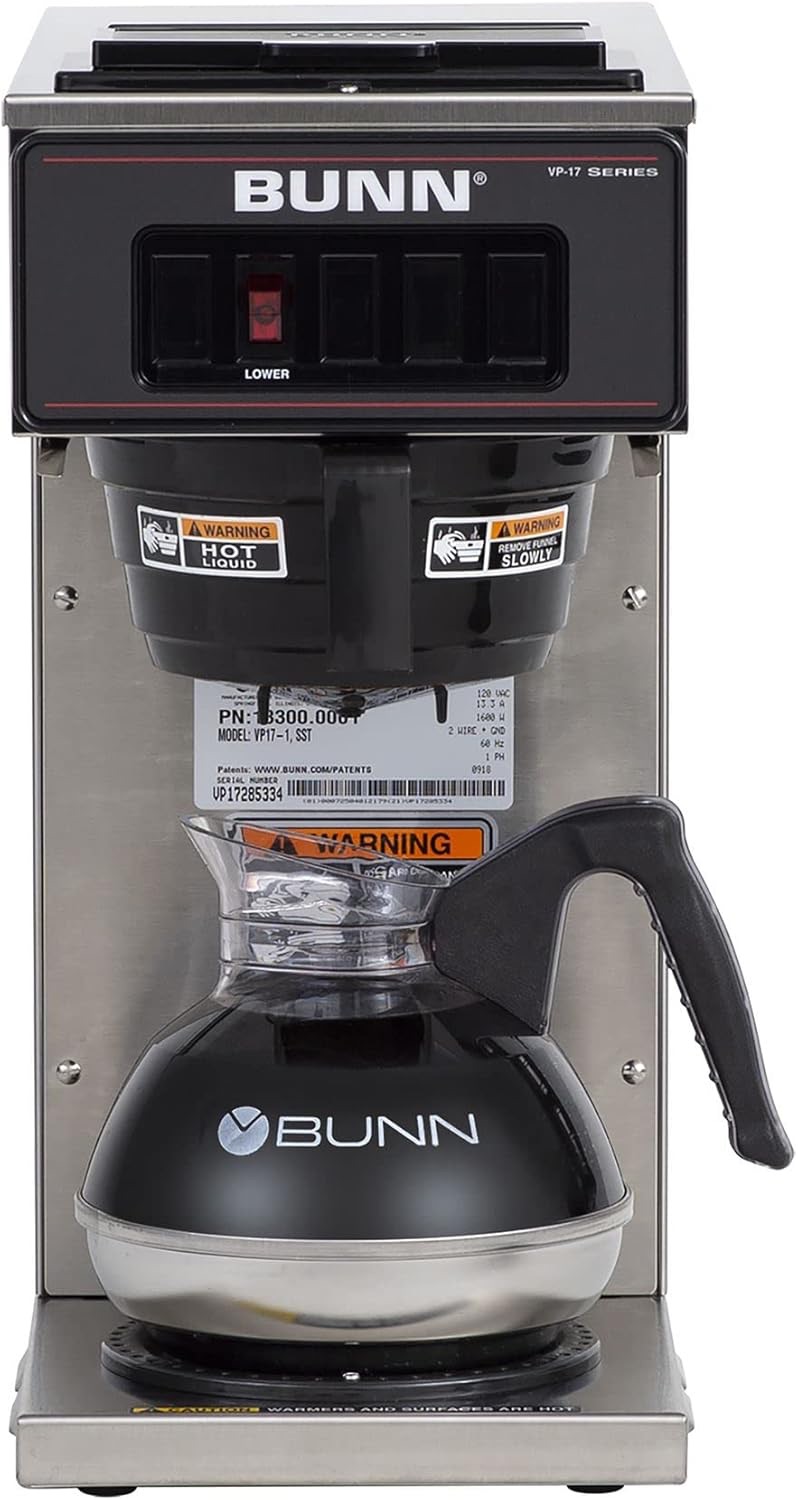
Most drip coffee makers on the market have one thing in common: plastic parts that come into contact with near-boiling water. From tubing to spray...

Single-serve coffee changed mornings forever, but behind the convenience lies one of the fastest-growing streams of plastic waste on the planet. This article breaks down...
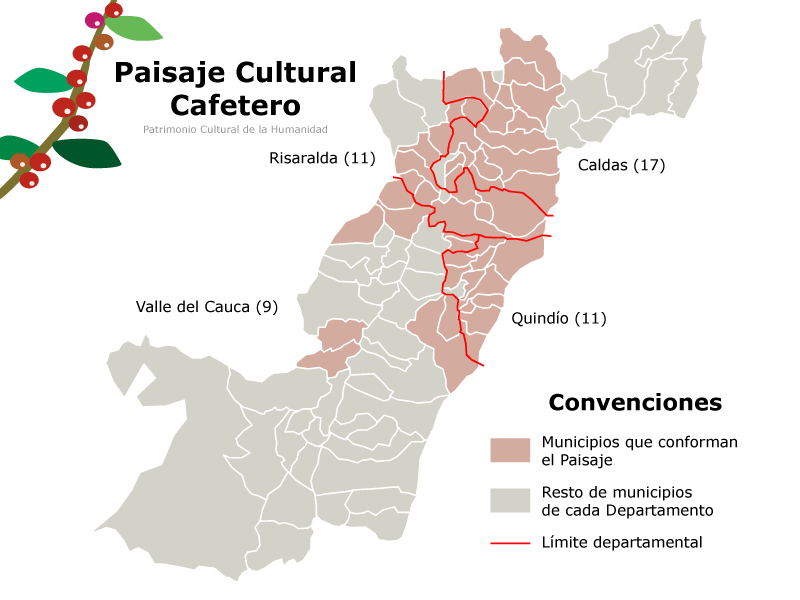
Top ten coffee producing countries in the world

Key Takeaways 100% contamination rate: All 155 beverages tested contained microplastics Hot drinks worst affected: Tea showed 60 MPs/L, nearly double cold beverages Daily exposure reality:...

Polypropylene (PP), a thermoplastic polymer widely used in single-serve coffee pods such as K-Cups, have been under fire recently not just for their environmental impact but...

For centuries, coffee was brewed using natural, simple materials such as: ceramic, metal, and glass. But as the modern world embraced convenience, plastics infiltrated nearly every...

Your Coffee Isn’t Bold. It’s Burnt. Bold statement? More like burnt coffee. Many coffee drinkers believe they love bold, rich coffee, but what if that deep,...